THACO Vocational College kicks off new school year
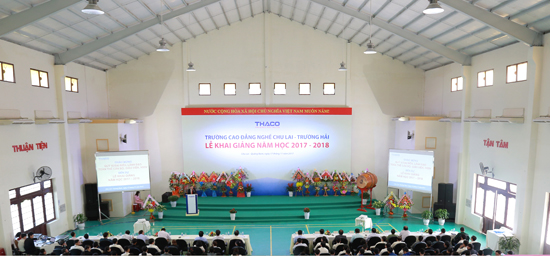
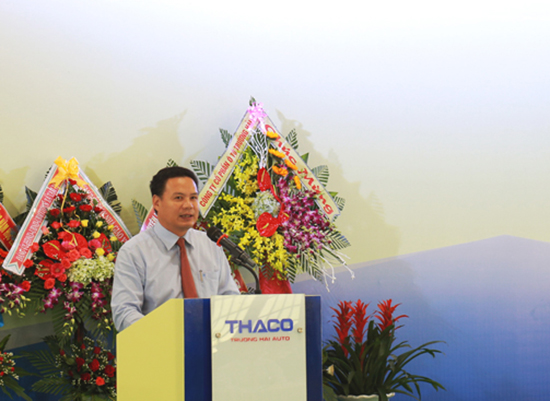
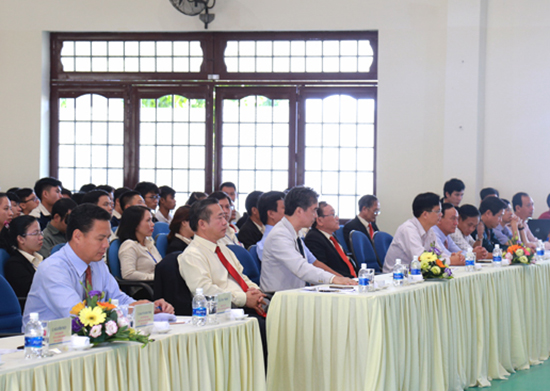
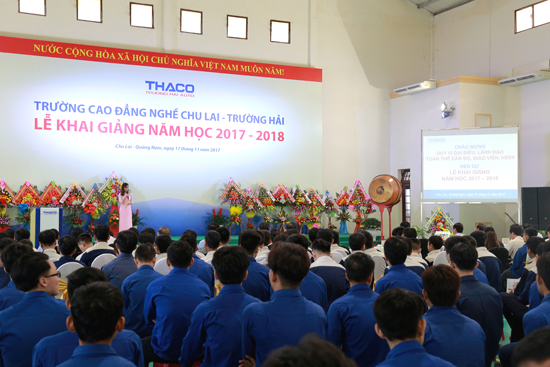
Among those who attended the event were Mr. Le Van Thanh – member of Quang Nam Party committee, Vice Chairman of the provincial People’s Committee, representatives of provincial departments, as well as training centers, high schools in Quang Nam and neighboring provinces, along with leaders of THACO, THACO’s Complex, and over 350 students representing other students at the college.
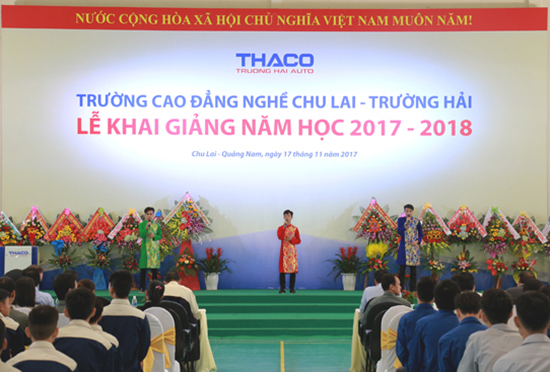
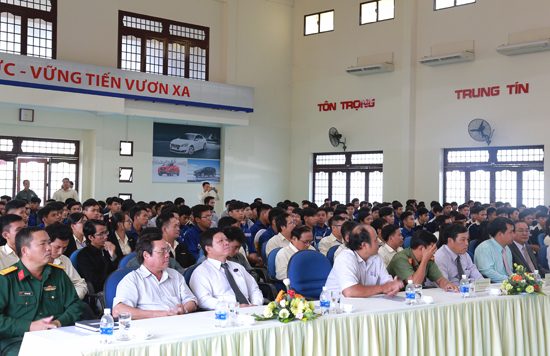
For school year 2016 - 2017, the school enrolled 958 students at 3 levels of College, Intermediate, and Elementary, raising the total number of trainees in the year to 1,796. At the same time 880 trainees graduated, 100% of them got jobs at companies and units in the Complex. In addition, the school also organized skill training courses for more than 4,300 staffs throughout the Complex, knowledge of occupational safety, fire protection, and products for THACO showrooms nationwide. Additionally, teachers from the college joined the 7th Vocational Teacher Conference in Quang Nam Province and won the first prize for the team category.
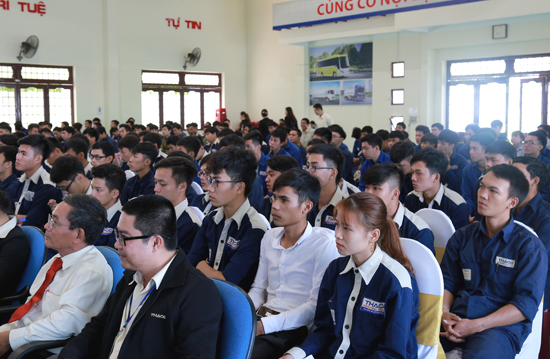
At the school year opening ceremony, the school announced the decision to change its name from Chu Lai - Truong Hai Vocational College to THACO Vocational College, handling the training and supply of labor resources for different THACO business lines.
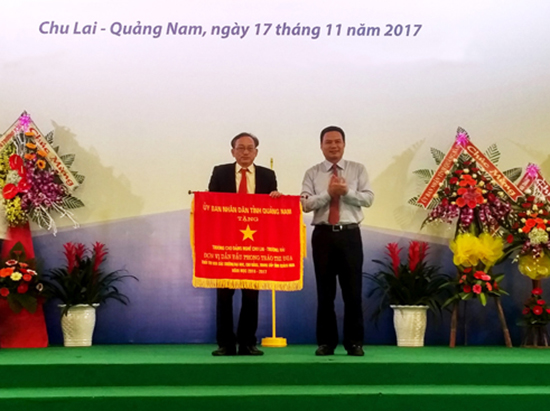
Also during the ceremony, the People's Committee of Quang Nam province presented a flag to THACO Vocational College for leading the emulation activities among schools in Quang Nam province in 2016-2017. In addition, the provincial Department of Labor, Invalids and Social Affairs and THACO Labor Committee handed certificates of merits to the school teachers who have achieved excellent achievements last school year.
In this new school year, THACO Vocational College will enroll 750 new students including 590 students from THACO and 160 external students, bringing the total student number to 1,540 in 66 classes, of which there are 465 Elementary technicians, 597 Intermediate technicians, and 478 College students. At the same time, the school will also develop its staff and teachers, appropriate curriculum and training materials, facilities and equipment, and improve the management of training activities to meet the requirements of regional integration.

MORE NEWS